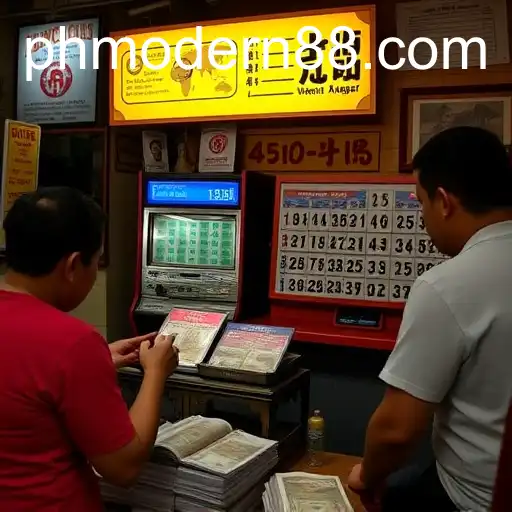
The Evolution of Jueteng: From Traditional Numbers Game to the PH Modern Casino Influences
Jueteng, a century-old numbers game originating from the Philippines, has long been a staple of local culture and society. Its simplicity and allure lie in its straightforward mechanism—a lottery-style game involving betting on numbers—yet its presence has been shrouded in controversy and has compelled countless discussions among sociologists, lawmakers, and gambling enthusiasts. Amidst its traditional roots, the advent of the PH modern casino scene has introduced new dynamics to the landscape of gambling in the Philippines.
Origins and Mechanics of Jueteng
At its core, Jueteng is a traditional numbers game wherein bettors choose a set of numbers, typically two digits, and place wagers on them. The winning numbers are drawn from a set of balls or sometimes gathered from the results of legitimate lottery draws by illegal operators. Its initial spread can be attributed to the allure of quick money and the spirit of chance. It surged in popularity particularly among locals due to its informal nature and the allure of substantial returns from minimal investments.
The word 'Jueteng' is believed to derive from the Chinese words 'hue,' meaning flower, and 'teng,' meaning increase, a product of the historical mingling of Filipino and Chinese cultures. Despite its enduring presence, the game has, more so than not, been an underground operation, evading regulation and government oversight.
Jueteng in the Context of Philippine Society
The cultural tapestry of the Philippines is complex, and Jueteng represents a significant thread within it. The game is emblematic of local challenges and economic conditions, seen often as a way for individuals in economically disadvantaged areas to alter their financial circumstances. However, its prevalence underscores deeper societal issues, such as inadequate employment opportunities and the allure of easy wealth, which have persistently plagued the nation.
Additionally, Jueteng has been entangled with political machinations, corruption, and societal power dynamics. Over the years, various syndicates connected to the game have purportedly used proceeds to fund political campaigns and garner influence, making it a potent instrument of political leverage.
PH Modern Casino Influence
In recent decades, the Philippine gambling landscape has experienced a metamorphosis with the emergence of the PH modern casino. These state-regulated establishments, like the integrated resorts found in Manila's Entertainment City, offer a contrasting image to Jueteng’s shadowed operations. These casinos bring with them sophistication, technological advancement, and regulatory oversight, marking a sharp departure from the clandestine nature of traditional games.
The rise of modern casinos has introduced new dimensions to the local gambling culture. With an emphasis on attracting global tourists, these venues offer not only traditional table games and slot machines but also high-end amenities, entertainment, and hospitality services. The legal recognition and organized nature of casinos have drawn gamblers who traditionally might have engaged with Jueteng, thereby creating a more diverse gambling environment.
Jueteng's Resilience and Adaptation
Despite the competition from modern casinos, Jueteng has proven incredibly resilient. Its adaptability is evident in its continued evolution; operators have integrated changes in response to law enforcement activities and technological advancements. This includes adapting operations through text messaging services and utilizing other digital communication methods to continue serving its clientele discreetly.
This resilience highlights the enduring demand for such betting mechanisms, which remain ingrained in pockets of Filipino society. Some argue that its persistence is a testament to unaddressed economic gaps that lead individuals to seek quick financial fixes outside of formal economic activities.
Legalization and Regulation Debates
The persistent popularity and illegality of Jueteng have sparked debates over potential legalization and regulation. Proponents argue that bringing Jueteng into the fold of legality could facilitate regulation, reduce corruption, and accrue tax benefits for the government. Such a move could ostensibly mimic the structured regulatory frameworks of modern casinos, diverting revenue streams into public services and infrastructure.
Conversely, critics posit that legalization may not address the socio-economic roots of gambling addiction and could exacerbate financial issues for many. The moral implications and the administrative challenges of effectively overseeing a nationwide network of operators also present daunting hurdles.
Jueteng in the Future of Philippine Gambling
As the Philippines continues to grow its modern casino industry, fueled by foreign investment and tourist influxes, Jueteng remains a potent symbol of local culture and socio-economic strife. Its ongoing prevalence serves as a reminder of the complexities that underlie the gambling fabric of the nation. In bridging the gap between this underground game and the glitz of modern casinos, stakeholders must navigate a path that respects cultural traditions while fostering progress and development.
The future of Jueteng could rest on a delicate balance between heritage and modernization, clarity and ambiguity. In a landscape defined as much by its past as its promise, the journey of Jueteng offers a compelling narrative of survival and adaptation within the broader story of the Philippines' evolving gaming culture.
luckylink888